This post is a draft translation from the Chinese version which have not yet been thoroughly proofread.
This is my submission article for “BlogBlog Club Party - July 2026”. This month’s topic is “Fun Facts”, hosted by Shuai. If you have your own blog, feel free to join us together!
本文有部份論點較為激進,擔心閱讀後玻璃心碎滿地者,請自行斟酌是否繼續閱讀。
不知道為什麼圖片總是顯示不出來,故暫時改以超連結方式展示。
恐龍其實還沒有完全滅絕
鳥類與某些恐龍品種之間的聯繫,其實比另一些恐龍品種之間的聯繫都還要接近。因此恐龍其實還沒有完全滅絕,鳥類是名符其實的現代恐龍。
顏色的含義
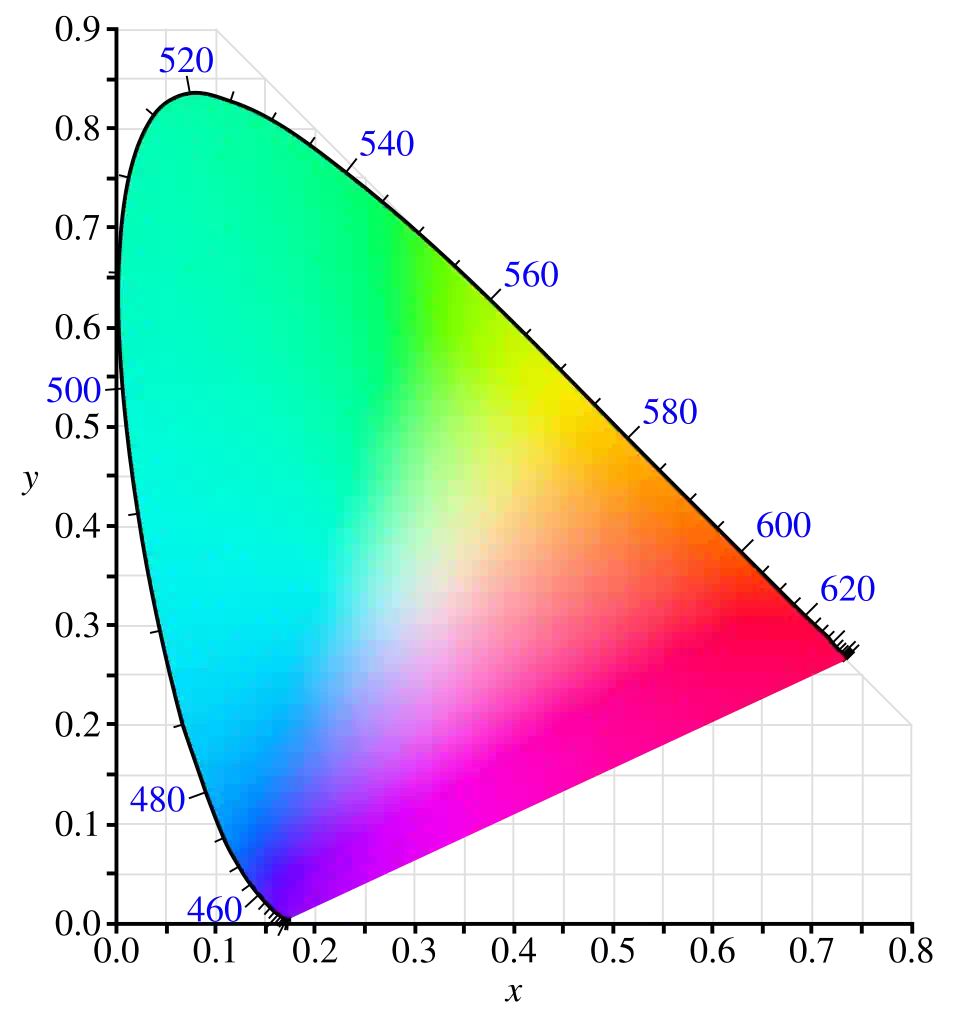
![色度圖。]()
色度圖。
顏色其實並沒有任何物理含義,它只是生物的一種視覺感受而已。真正有物理含義的,是電磁波的光譜。
HSV/HSL 色彩空間當中的色相(hue)色相環單位是角度,這種色相環的角度也沒有什麼物理意義。大多數人類能感知到的顏色,實際上是一個不規則的曲面立體,色相環是對這種不規則圖形的一種閹割。色度圖(chromaticity diagram)也是個不規則的圖形,上面的 X 軸和 Y 軸也不具備物理意義,它就純粹是個數學工具而已。
「白色」在物理上沒有一個清晰、統一的定義,每個色彩空間都需要自己去定義一個「白點」(white point),所以大家玩攝影時還有白平衡調整這種破事。
BlogBlog 同樂會宇宙的二三事
因為大人的理由拆成獨立文章了,詳請點此。
八成飽
鋰電池充到八成飽就好,對電池會更健康喔!
既然如此,為什麼手機的電量標示不把 80% 滿的電量直接標成 100%?這麼做在心理學上不會對用戶更少負擔嗎?
虛擬世界論與宗教
如果這個世界真的是被虛擬出來的話,那麼在這個虛擬世界之外的觀察者,就可以理解為虛擬世界內部的人所解的「神」。這些「神」究竟是有一位還是多位,對於虛擬世界內部的人而言根本無法區分。所以在這個世界內部討論世界到底是一神還是多神是毫無意義的。
也許你會說:「且慢!」,然後說,那是人類難以企及的領域,所以所謂一神或者多神可以看作是人類的藝術加工,然後慢慢形成一種信仰。……
(WIP)
「得」的歧義
在現代標準漢語中,「得」字有好幾個不同的讀音:
- ㄉㄜˊ dé:
- 表示「能夠」。如「不得」、「得以」。
- 不屬於下列義項的一切其他義項。
- ㄉㄟˇ děi:表示「必須」。
- ˙ㄉㄜ de:用於動詞、形容詞後面,表示狀語。
台灣的法律條文很喜歡用「得」字,讀作ㄉㄜˊ dé,表示「能夠」的意思。表「必須」之義時,用「應」。在粵語的書面語讀法中,「得」字的所有義項都唸成同音,於是就產生歧義了(但「得」表「能夠」義很少獨用,通常與「不」連用),是台灣法律用語中一個臭名昭著的大坑。
人均林超英
熱,但不辛苦。
——林超英
香港有一位以堅持不開冷氣而著稱的人物,名叫林超英。每逢炎夏,總會有一批熱心網民關心其有否破戒或中暑。叉雞有做過一條影片講述他的事跡。
根據身邊人的描述,台灣和大陸的冷氣水平,相較於香港而言都很弱。因此這些地方的人都是人均林超英。(恭喜 Wiwi 成為例外!)
據說歐洲那邊有很多人寧願熱死也不裝冷氣(直至真的熱死了才想起來這件事),這些人的觀點與上述描述別無二致。
話說回來,冷氣其實是一個難以解開的惡性循環:冷氣將熱量帶到沒有冷氣的地方,從而致使更多的人都不得不打開冷氣。問題的解方只有一個,就是先解決地球人口過多的問題。
出世與還俗
另 110 年及 111 年變更姓名人數大幅成長,係因宗教因素出世或還俗所致。
——內政部《全國姓名統計分析》,77 頁
此項描述和對應的時間點,很難令人不聯想到「鮭魚之亂」。但此項論述是否真的跟「鮭魚之亂」有關?我懶得深究下去了。
姓名法規
說起更改姓名這回事,我順便想比較一下不同地方的姓名法規。如果你是台灣人,一般而言一生人最多只能改三次名字,不過原則姓名長度並無字數限制(實務上的字數限制也是極其寬容的)。只是台灣有簽名時用中文全名的習慣,中文名起太長的話要簽名的時候會很麻煩。如果你是香港人,改名的次數原則上是沒有任何限制的,不過一般來說中文名最長只能取到六個字,而且改名的行政費用也比較貴。
另外在香港,更改「姓氏」基本上也是沒有任何限制的,就連新生兒取名也不強制一定要跟父母其中一方的姓(也許是因為有些南亞裔根本沒有嚴格意義上的姓氏),這種對「更改姓氏」的寬容度,和世界上很多司法管轄區相比,也是極其寬容的。
話說在台灣有人要求過「原住民族名去漢字化」,如果這事發生在香港其實會比較好辦。因為香港的法律允許一個人只有英文名而無中文名,不過反過來只有中文沒有英文不行。唯二的限制是長度限制,以及帶有 diacritics 的字母下不了香港身份證。
在台灣,在申請護照之前,你姓名的羅馬字拼法,似乎都是未確定的。不像香港在出生登記的時候,就已經確定名字的羅馬字拼法了。有一點在台港之間是一樣的,就是姓名羅馬字沒有要求所有人統一使用特定的拼音系統,也容許姓氏和名字使用不同的拼音系統。
簡化字姓氏?
曾經有人問過我,簡體中文的「庄」姓,在轉化成繁體時應該怎麼寫。我回答說:「到底是姓「莊」還是姓「庄」?這恐怕沒有人知道。」至少在香港和台灣的法律層面而言,「莊」和「庄」是兩個不同的姓氏。
另外我曾經看過有人在簡體中文環境下如此說:來自中文的「叶」姓應該讀作ㄧㄝˋ yè,而來自日文的「叶」姓應該讀作ㄒㄧㄝˊ xié。但其實在香港和台灣的法律層面而言,「葉」和「叶」也是被視作兩個不同的姓氏。那到底來自繁體中文的「叶」姓應當如何發音?我從私人機構的人名數據中可以看到,在香港被登記作「叶」姓的人名,羅馬字基本上都寫成「Yip」或者「Ye」,也就是當作「葉」來唸。這也是香港大多數普通人實際上的唸法。但這是否就是語源、文字學上正確的唸法?我也不知道。大多數普通人的唸法有可能被簡化字誤導了。
另外也有「肖」姓,據說大多數(但可能不是全部)的「肖」姓實際上是從「蕭」姓來的,而且主要來源也是來自中國大陸的新移民。「肖」和「蕭」在粵語發音上相差較大,到底「肖」姓在香港粵語裏通常被怎麼唸?我這個有點老的香港人反而不太清楚。
誤導性聲旁
簡化漢字有一些聲旁,並不完全依據現代標準漢語發音,於是乎這些字對於使用簡化漢字的普通話學習者來說,反而成了一種誤導。以下是一些例子:
- 燦 → 灿:山 ㄕㄢ shān、燦 ㄘㄢˋ càn
- 徹 → 彻:切 ㄑㄧㄝ/ㄑㄧㄝˋ qiē/qiè、徹 ㄔㄜˋ chè
- 襯 → 衬:寸 ㄘㄨㄣˋ cùn、襯 ㄔㄣˋ chèn
- 墳 → 坟:文 ㄨㄣˊ wén、墳 ㄈㄣˊ fén
- 講 → 讲:井 ㄐㄧㄥˇ jǐng、講 ㄐㄧㄤˇ jiǎng
- 進 → 进:井 ㄐㄧㄥˇ jǐng、進 ㄐㄧㄣˋ jìn
- 憐 → 怜:令 ㄌㄧㄥˋ lìng、憐 ㄌㄧㄢˊ lián
- 鄰 → 邻:令 ㄌㄧㄥˋ lìng、鄰 ㄌㄧㄣˊ lín
- 擬 → 拟:以 ㄧˇ ǐ、擬 ㄋㄧˇ nǐ
- 瓊 → 琼:京 ㄐㄧㄥ jīng、瓊 ㄑㄩㄥˊ qióng
- 確 → 确:角 ㄐㄧㄠˇ/ㄐㄩㄝˊ jiǎo/jué、確 ㄑㄩㄝˋ què
- 讓 → 让:上 ㄕㄤˋ shàng、讓 ㄖㄤˋ ràng
- 擾 → 扰:尤 ㄧㄡˊ yóu、擾 ㄖㄠˇ rǎo
- 襪 → 袜:末 ㄇㄛˋ mò、襪 ㄨㄚˋ wà
- 嚇 → 吓:下 ㄒㄧㄚˋ xià、嚇 ㄒㄧㄚˋ/ㄏㄜˋ xià/hè
- 選 → 选:先 ㄒㄧㄢ xiān、選 ㄒㄩㄢˇ xuǎn
- 鑰 → 钥:月 ㄩㄝˋ yuè、鑰 ㄧㄠˋ/ㄩㄝˋ yào/yuè
- 藥 → 药:約 ㄩㄝ yuē、藥 ㄧㄠˋ yào
- 躍 → 跃:夭 ㄧㄠ yāo、躍 ㄩㄝˋ yuè
- 鑽 → 钻:占 ㄓㄢ/ㄓㄢˋ zhān/zhàn、鑽 ㄗㄨㄢ/ㄗㄨㄢˋ zuān/zuàn
繁體中文鍵盤與中文輸入法
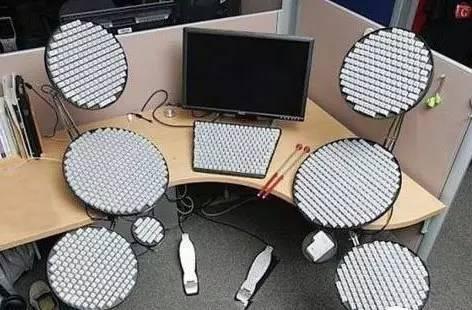
![爵士鼓中文鍵盤。]()
爵士鼓中文鍵盤。
有不少資料均指出香港最多人使用的輸入法是倉頡,在數十年前這也許是正確的,但其實現在已經不太對了。雖然很多中小學直到現在仍然會教倉頡,但事實上已經沒多少人能完全學會了。許多人用的實際上是速成(倉頡的簡化版),甚至是基於官話的漢語拼音和手寫辨識。
在香港賣的繁體中文鍵盤,其實跟台灣的繁體中文鍵盤沒有分別,大部分都有標示精靈文注音符號。此外還有倉頡和港台都沒什麼人在用的大易。
大易在繁體中文鍵盤上面是個尷尬的存在,它有些鍵名和倉頡的相同但位置不同,容易成倉頡系輸入法初學者的混淆。大易實際的使用人口也極其稀少。與倉頡相比,大易會用到鍵盤上排的數字根(以及旁邊的一些符號鍵)來組字根,範圍跟注音差不多,重碼率卻高出一截。大易選字的方式也比較奇怪,是按你鍵盤上的「號路街鄉鎮」鍵而不是按數字鍵。據說以前台灣有一些專門的打字訓練會用上大易,除此之外基本上沒有人會用。正正是由於使用大易的人太少,有一些中文鍵盤其實已經索性去掉大易字根了(但是留下注音和倉頡,不然就不是中文鍵盤了)。
再往下講,就過於詳細、小眾了。我還是單獨開個文章分類吧。
其他語言鍵盤
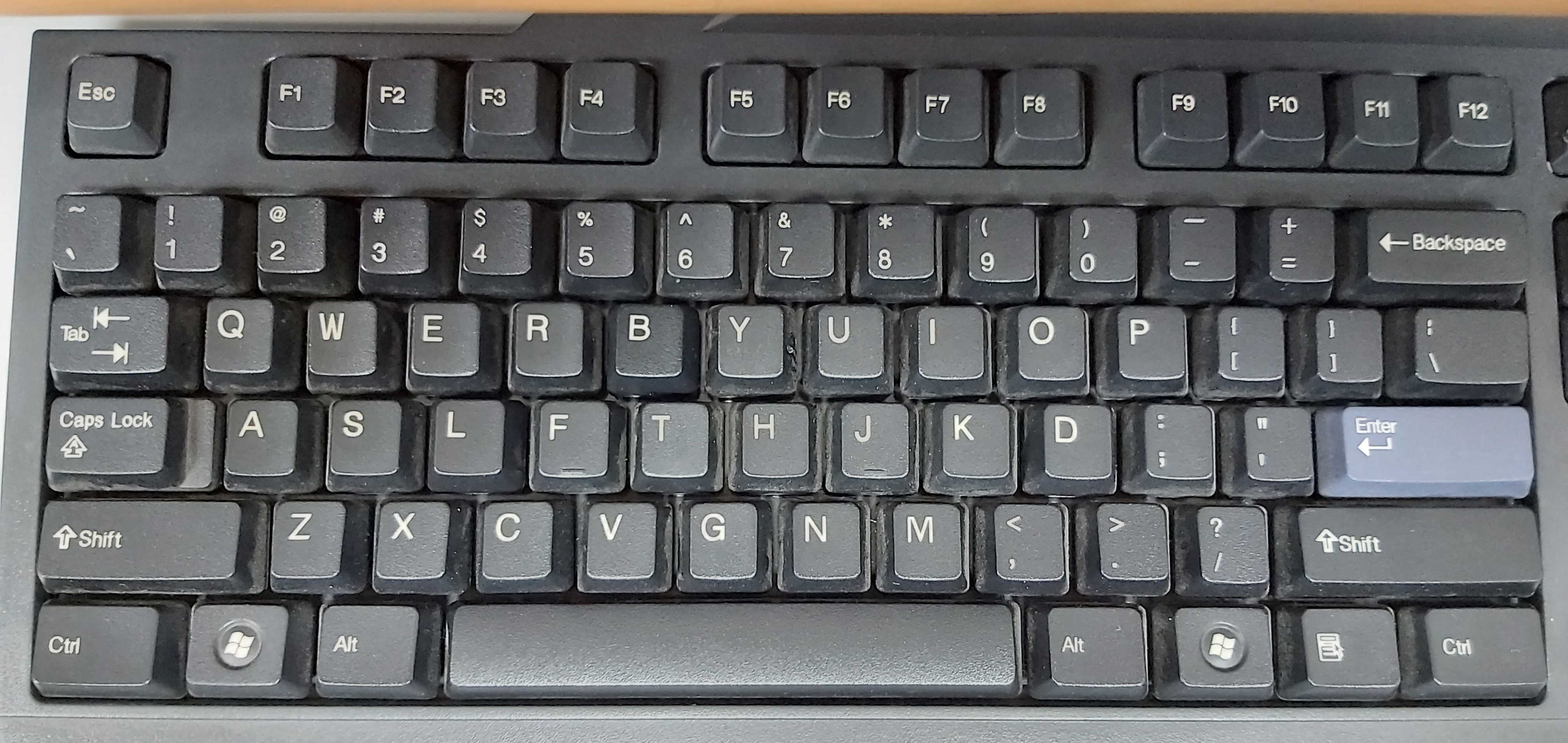
![「QWERBY」鍵盤,一個不是很常見的鍵盤佈局。]()
「QWERBY」鍵盤,一個不是很常見的鍵盤佈局。
你以為拉丁字母輸入法就只有 QWERTY 一種?錯了!德語系用的是「QWERTZ」(唯一差別是「Y」和「Z」對調)、法語系用的是「AZERTY」(「A」與「Q」對調、「W」與「Z」對調,右下角的「M」跟一些符號鍵被完全重組)。還有些非主流的鍵盤佈局如 Dvorak,非主流鍵盤佈局往往聲稱其設計更符合人體工學。
以泰文和印度文字為代表的「婆羅米系文字」,由於字母數目太多,本身又不區分大小寫,所以 Shift 鍵被用於選擇字母。按下 Shift 鍵後的字母和對應不按 Shift 的字母可以毫無聯繫,純粹就是兩排不同的按鍵而已。
農曆節日
日本的許多節日都是從農曆日期直接搬到公曆日期慶祝,所以實際上是前移了一個多月。想當年 1930 年代的國民政府也有試圖命令廢除農曆新年,並模仿日本將新年習俗前移,但這項政策在民間遇到很大阻力,最後政府也是迫於無奈放棄。鬼也想不通這項政策在日本是怎麼被接受的。
兩個加號、兩個減號
程式語言 Python、Lua 和 Rust 的共同特點是什麼?就是都不支持 ++ 和 -- 的運算子!好像程式員沒什麼人會特地把這個共同特點一同提到,但是程式員把這點記起來還是挺有用的。
順帶一提,Lua 不能用 +=、-= 之類一個運算子接一個等號的「運算 + 賦值」二合一運算子,只能寫成 a = a + 1 之類的形式。Python 和 Rust 就沒這個限制,+= -= *= /= %= &= |= ^= <<= >>= 隨便用。
文字書寫方向
地球上現存的大多數文字系統都是由左至右橫向書寫的,據說這是對右撇子最順手的書寫方向。
不過在遠古時期的歐洲,在文字徹底定型之前,不乏從右到左寫或者混合方向書寫的文字。這些文字系統和中東的文字系統(包括現今仍在活躍使用的希伯來字母與阿拉伯字母)同出一源,歐洲文字的書寫方向到底是怎麼反過來的確實耐人尋味。有一種理論認為,對於右撇子而言,在石頭上刻字的時候從右到左更順手,而用筆墨書寫時候從左到右更順手。所以是書寫工具和媒介的改變促成了文字書寫方向的轉變。至於為什麼中東的文字書寫方向沒反過來,可能是因為在書寫工具轉變的時候,這些文字已經宗教化了。
至於古代中國,則以縱書居多。但是在甲骨文中,文字既可以從左到右換行,也可以從右到左換行,後來才定型成從右到左換行。不過耐人尋味的是,從右到左換行的書寫模式,對於右撇子來說不是會更容易讓手部沾到剛寫好的墨水嗎?也許這就是中國書法強調反人體工學的「懸腕懸肘」的理由。
古埃及文字的書寫方向極為靈活,既可以縱書也可以橫書,既可以從左到右換行也可以從右到左換行,人、神明和各種動物的頭部會面向文字開始的方向。有時候一大段文字會混合使用不同的書寫方向,例如從中間往左右擴散形成左右對稱的格局,或是和插畫中各種人和神明的面向對齊。現代文獻為了配合西方文字的排版,一般從左到右橫書,但從古時候的實物來看,預設的書寫方向似乎是從右到左縱書。後來世俗體雖然是用筆墨寫的,但是卻固定成了從右到左橫書。
楔形文字最早期其實是縱書的,後來不知道怎麼逆時針轉了 90 度,定型成了從左到右橫書。至於古代美洲文字的書寫方向就更複雜了,本文就不展開講了。
半個塔吉克斯坦
塔吉克斯坦東邊接近一半的國土,其實位於中華民國的法理領土主張範圍之內。不過該處距離中華民國目前的實控領土過於遙遠,也就沒有被拿出來積極討論。
除此之外,離目前的中華民國實控領土極為遙遠,但屬於法理領土主張範圍之內的地區包括:唐努烏梁海、江東六十四屯、黑瞎子島東部、阿巴該圖洲渚、江心坡、白龍尾島、小部份阿富汗、巴基斯坦、尼泊爾、不丹邊界。
至於對岸政府,上述大部份地方已經透過後來的邊界協議直接永久割出去了。至於對岸現存的爭議領土,基本上也是中華民國的法理領土範圍。
電梯門的安慰劑按鈕
舊文,詳請點此。
淺談數個漢語方言現象
啊,剛好找到篇舊文,順便也拿來投稿了,詳請點此。
關於本站
這個網站的不少界面元素都是從「Wiwi 部落格宇宙」當中別的部落格抄參考而來的,都是反向工程,全程盡量不依靠 AI,算是我給自己的一個小小挑戰。